“In the past, everyone was making these big, classically styled red wines. Why, with South Africa being such a hot country, was nobody making a light red wine?” posits Samantha Suddons rhetorically.
Suddons is the largely self-taught owner-winemaker of Swartland-focused Vine Venom, experimenting with techniques from flor ageing and skin contact to oxidative and maderised winemaking.
Inspired by the punchy reds she’s encountered in Europe, Suddons’s ruby-hued Satellites Red is a blend of Touriga Nacional, Cinsault, and Grenache. The translucent wine might suggest uncomplicated refreshment, but, she says, “When you get into it, it’s layered and complex. My Swedish importer calls it ‘perfume of the Paardeberg’ for its fynbos scent.”
Thick-skinned Touriga Nacional is wholebunch pressed, almost like a rosé, and quickly to limit extraction. Grenache and Cinsault are blended in, bringing tannin and structure alongside the Touriga’s juiciness.
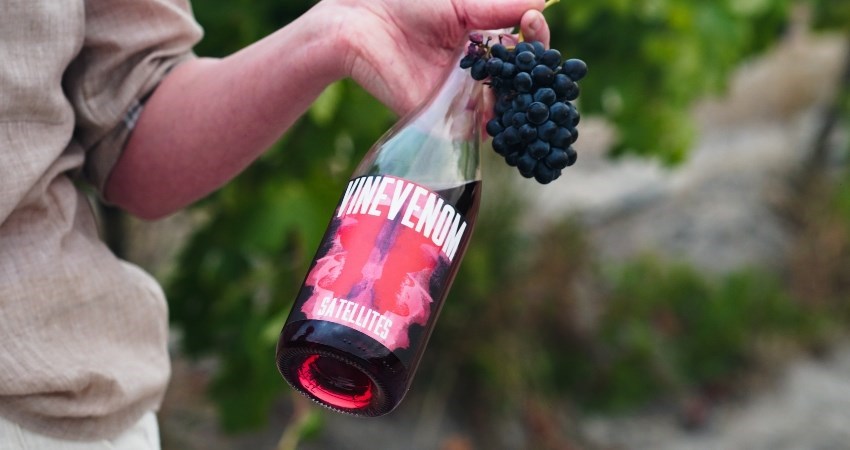
Suddons is part of a generation questioning the assumption that seriousness requires heavy extraction and lots of new oak, while equally resisting the idea that a light red needs to be merely fruity, carbonic and fun.
Chillable reds are a direct consequence of global appetites to shed some weight. Typically light to medium bodied, they are made with little or no oak. Largely characterised by a crunchy freshness, the fruit is generally red rather than dark, and the tannins fine and powdery. Elements that combine to create a structure suited to being chilled down before serving. South Africa is primed for this trend. Here at home, we have an abundance of juicy, big-berried Cinsault, alongside Rhône varieties such as Grenache, Syrah and Mourvèdre. Not to mention Pinotage; the grape’s intrinsic fruitiness and exotic perfume making it a perfect fit.
Beaujolais and its main grape, Gamay, are the classic blueprint, alongside Frappato in Sicily, Grenache and Cinsault in southern France and indigenous varieties across Spain and Portugal. Collectively, the movement reflects how power is no longer the default signifier of quality.
And there’s a reason why these wines are an important tool for sommeliers: lighter styles of red occupy a liminal space between white and red, making them easier to pair with a variety of dishes, allowing them to cross over traditional pairing boundaries: offering the refreshment of a white while retaining the tannin and savoury structure of a red. Pinot and sushi? Yes, please.
And, chilled doesn’t mean ice-cold: 20 to 30 minutes in the fridge is generally enough. Excessive chilling can mute the fruit and make tannins seem harder.
Substance not weight
And we’ve been here before. South Africa has a history of producing lighter-style reds. These were somewhat drowned out by the Robert Parker era of the mid-1980s, which ushered in more new oak, higher alcohol and heavier extraction as producers chased scores. Now the pendulum is swinging back towards lighter-footed wines, and we have the grapes to take us there.
Cinsault once dominated the red wine industry, forming the backbone of iconic blends such as Tassenberg and Chateau Libertas. Undisclosed Cabernet-Cinsault blends, often with Syrah, Tinta Barroca, Pinotage or whatever was on hand, were simply labelled ‘Dry Red’. Many have proven remarkably ageworthy.
Known then as Hermitage, Cinsault became one of the Cape’s great workhorses after phylloxera, its generous yields and abundant juice useful for blends, brandies and fortifieds. When tiny Cabernet berries clogged equipment, growers added roughly one basket of Cinsault to every three of Cab to keep things flowing; it was even planted at the ends of Cabernet rows for co-harvesting.
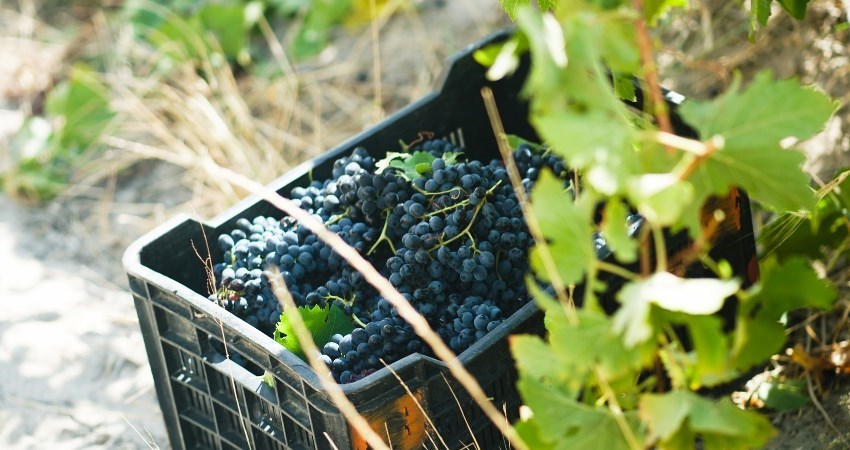
There is no recipe for making a light red. Producers can pick earlier to retain acidity and red-fruit character as well as limit extraction through shorter macerations or gentler pump-overs. The use of whole bunches is a favoured technique for perfume, freshness, fine tannins and a light spiciness; or pushing it further with carbonic maceration, where intact berries ferment intracellularly, amplifying juicy fruit and aromatics.
Stems need to be ripe, otherwise they can impart green flavours, while the potassium they release during fermentation can bind with tartaric acid, raising the wine’s pH and potentially lowering acidity. When it comes to fermentation and maturation vessels, new oak is generally dialed back in favour of older barrels, foudre, concrete or stainless steel, often in combination.
Syrah is almost becoming ubiquitous with wholebunch/carbonic. New-wave Pinotage producers are increasingly combining carbonic, wholebunch and destemmed components to lighten the grape’s traditional styling. One of its parents, Pinot Noir, is of course a natural reference point for light reds, or at least certain styles of it. Generally light in colour and tannin, the aim is often not to overwork it during extraction.
Pretty new to our shores (Radford Dale has planted an organic mother block), Gamay is something of an archetype for light reds. Naturally low in tannin, with bright acidity and vivid red fruit, it produces fragrant, juicy wines well suited to chilling. Plantings here remain small, but not for long if its champions have anything to say about it.
Several grapes driving the movement are also well adapted to a warming Cape. Heat- and drought-tolerant varieties such as Cinsault and Grenache make sense economically as well as stylistically. Grenache has been planted here since the 1700s, once known as ‘Cape Chianti’; such cultivars will only become appealing (and thirst-quenching).
But here’s the sticking point: a light red needn’t be particularly pale, low in alcohol or a natural wine. Rather, it describes the overall impression of the wine: freshness, moderate extraction, fine tannins and a relative absence of oak weight.
Speaking of, Suddons is about to release the Satellites Red NV N0.5, a blend of the 2023 and 2024 vintages, bottled in February 2026. “How a red wine is aged also plays a role.” Satellites, she explains, is non-vintage, with the Grenache and Cinsault aged for an extra year compared with the Touriga Nacional, bringing mellowness and softness. There aren’t aggressive tannins; just a subtle, crunchy dryness.
“I want freshness and vibrant fruit, but with structure, dryness, length and enough body to stand up to food, rather than something resembling a cordial or rosé.
“Light also doesn’t necessarily mean low alcohol. Touriga Nacional is a beefy grape; it comes in at around 14%, giving the wine natural plushness. I wouldn’t pick early just to achieve 11.5%, that would taste astringent and green. It’s a fine balance between making a wine you can absolutely smash on a hot summer’s day and retaining intensity and persistence.”
In other words, lose the weight, not the substance.