
In California, a place famous around the world for its viticulture, winemakers produced less wine last year than at any point in the last quarter century. It’s often cheaper to let grapes rot on the vine than to harvest them because so many unsold bottles clog the shelves of storerooms and wine shops.
So on a sunny morning in Soledad, California, in a valley made famous by the author John Steinbeck, Jason Smith acquiesced to simple economics.
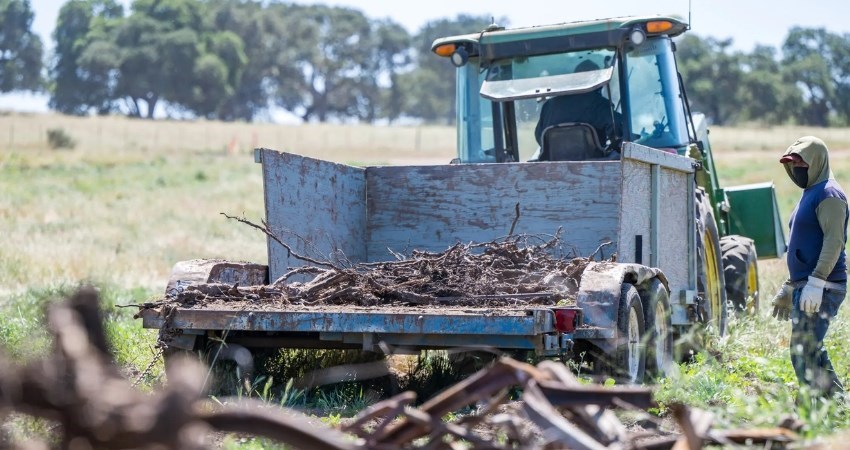
A worker unceremoniously drove a tractor and ripped out Mr. Smith’s pinot noir grapes from the ground. Another set fire to the wooden posts that for years had propped up the vines. And Mr. Smith leaned against his white Suburban, under the shade of a coastal oak, watching one of his pinot vineyards go up in smoke.
He had decided to sell all of his land and shut down his family business, which had survived for 51 years. “There’s literally no way for me to make money,” Mr. Smith, 57, said.
Nationwide, wine sales are at their lowest level in more than two decades, as people drink less amid growing public health warnings that alcohol is unhealthy. Sales have also suffered as many younger drinkers have found traditional wines stodgy and difficult to understand, and preferred canned cocktails, seltzers and nonalcoholic beers and spirits.
In California, which produces about 80 percent of the nation’s wines, pinot noir perhaps best illustrates the industry’s recent boom-and-bust history.
The light-bodied wine originally from France’s Burgundy region was once less popular among average wine drinkers here than reds such as cabernet sauvignon and merlot. Then came the 2004 movie Sideways, which starred Paul Giamatti as an aspiring novelist and wine snob who extolled pinot noir’s “thrilling and subtle” flavors.
The indie film set off a pinot noir boom in California. Sleepy tasting rooms in Central California, where the movie took place, filled with customers. Those already producing pinot sold out their inventories in record time. Across the state, growers planted it anywhere they could.
“You could almost feel it,” said Mark McWilliams, who recently closed his pinot noir-focused winery in Sonoma County and recalled the frenzy of the 2000s. “All people wanted was pinot noir.”
In the early 1970s, Mr. Smith’s family moved to coastal Monterey County because his father, who had a degree in agriculture and had been working in a lab, saw promise in the nascent wine business here. The region, about 100 miles south of San Francisco, is an agricultural hub with hot sunny days and foggy nights, the perfect climate for cultivating the delicate grapes needed for pinot noir and chardonnay.
At first, Mr. Smith’s family helped other vineyard owners grow grapes. Then they bought their own land. Over time, his company, Valley Farm Management, acquired 3,000 acres and sold fruit to some of the largest wineries in the state.
Click HERE to read the full article.