Bosman Wines have long been associated with innovation on all fronts from their inclusive business ownership model to their pioneering work in environmental conservation.
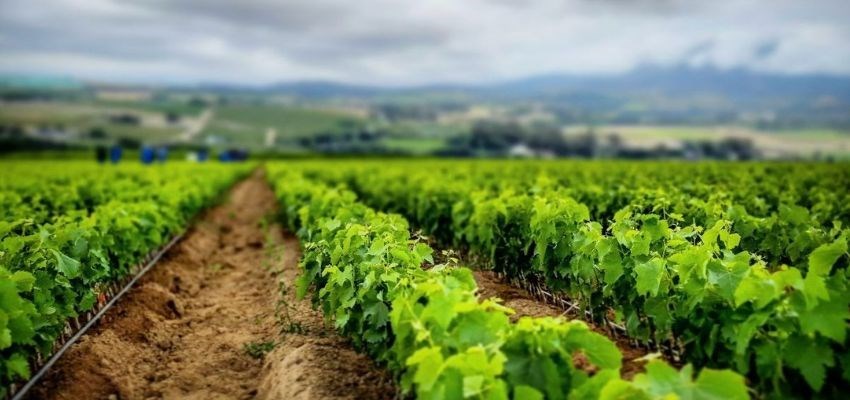
Much of the conservation work starts in the Bosman Adama Vine Nursery, supplier of a third of the country’s grafted vine cuttings. Here their aim is to provide the South African wine industry with disease resistant alternatives to supplement grape production from existing, conventional clones.
Disease resistance in a vine means less need for chemical spraying, less tractor diesel utilised, less erosion from tractor tyres, and less wear and tear on the tractor. So, the impact of this agriculture on the environment is significantly reduced.
In addition, some of these varieties ripen early, which naturally reduces the need for irrigation, therefore minimising their reliance on water, a dwindling, though critical, natural resource.
Over the last few years, 15 new varieties imported from Germany and Italy have been planted in a test block to ascertain their viability in this climate, and their suitability for winemaking.
About 70kg of Solaris grapes were harvested as early as 30 December 2025, followed a few days later by a similar batch of Muscaris. These batches, and subsequent batches from other varieties, will be vinified at Stellenbosch University and presented to an industry technical committee for approval so that we can consider propagating and planting in commercial volumes.
While the wine consumer is not yet ready to grab a Solaris or Muscaris wine off the shelf, these wines can be blended in with other more well-known varieties to improve flavour and longevity and increase volumes.
Follow us on Instagram and Facebook for more information on these varieties and others that will be harvested soon.