For decades, fine dining was synonymous with formality, where ritual, etiquette, and polished service defined the experience. Today, luxury diners are placing greater value on something else: connection.
According to the National Restaurant Association's 2025 State of the Restaurant Industry Report, 64% of full-service restaurant customers say the dining experience is more important than the price of the meal. The finding reflects a broader shift in consumer expectations, with diners placing growing value on hospitality, atmosphere and emotional connection alongside food quality.
This aligns with OpenTable's 2025 Dining Trends research, which reported a 27% increase in experiential dining bookings, highlighting growing demand for memorable and occasion-led restaurant visits rather than meals alone.
The trend is evident at some of the world's most celebrated restaurants. Noma in Copenhagen helped shift the focus towards storytelling and provenance, while London's The Connaught has shown that luxury can be defined as much by personalised hospitality as culinary excellence.
In South Africa, leading restaurants are also redefining fine dining. Farro combines refined cuisine with warm hospitality, Post and Pepper champions exceptional food without pretence, while De Tafel at The Palms has built a reputation around intimate, chef-led dining that prioritises connection, conversation and a sense of occasion.
Although each restaurant has a distinct identity, all reflect a broader industry trend: diners are seeking experiences that feel more personal, authentic and memorable, rather than simply formal.
According to Chef Kerry Kilpin, executive chef at Steenberg, this shift reflects a broader change in how people define luxury. "Guests are still looking for exceptional food and service, but they want the experience to feel effortless," she says. "Luxury today is less about formality and more about feeling genuinely welcomed, comfortable and cared for."
Hospitality sits at the centre of this shift. Genuine service, personal recognition and meaningful interactions are increasingly shaping how guests remember a restaurant.
"People don't want to feel like just another table in the restaurant," says Kilpin. "They want to feel acknowledged. They want connection. When guests leave, the feeling they take away with them is often what they remember most."
Storytelling is also emerging as a powerful element of premium dining. Consumers are showing greater interest in where ingredients come from, the people behind the food and the history of the places where they dine. Restaurants that can connect guests to these stories often create deeper and more meaningful dining experiences.
At Tryn, storytelling forms part of the dining experience. Named after Catharina Ras, the founder of Steenberg and affectionately known as ‘Tryn’, the restaurant celebrates the heritage of South Africa's oldest registered farm while connecting guests to the stories behind what they eat. This extends to its partnership with ABALOBI. Steenberg Farm sources fully traceable seafood from local small-scale fishers, allowing guests to trace their seafood's journey from ocean to plate and meet the people behind the catch.
"Stories help people connect emotionally," says Kilpin. "People remember stories. They remember the people behind them, and that creates a much deeper experience than simply serving a meal."
This desire for connection extends beyond the food itself. Diners are increasingly drawn to restaurants with a strong sense of place, where the setting, history and local character become part of the experience. Whether marking a milestone or simply spending quality time with friends and family, guests are placing greater value on occasions that bring people together.
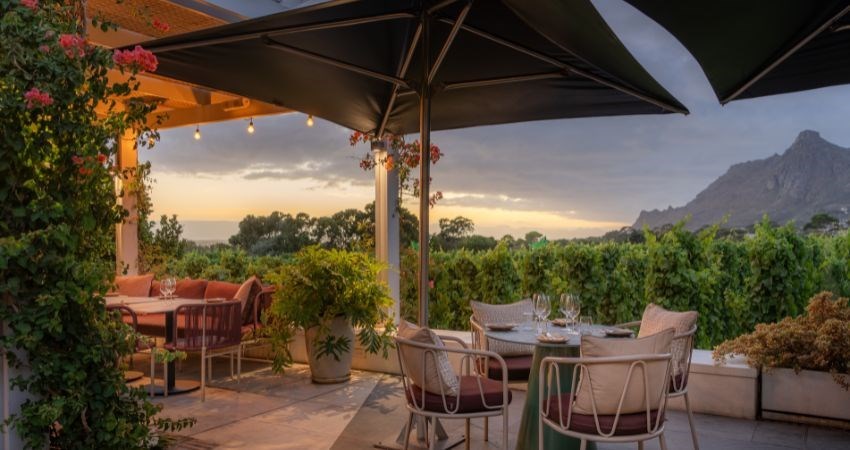
"People are looking for opportunities to slow down and spend meaningful time together," says Kilpin. "Good food and wine are important, but what many guests are really seeking is connection." This is particularly evident in destination restaurants, where setting and atmosphere contribute significantly to the overall appeal. At Steenberg, views across vineyards, mountain backdrops, historic heritage and multiple dining experiences all contribute to the broader guest journey.
Looking ahead, Kilpin believes guests will continue to value excellent food, wine and service, while placing equal importance on experiences that feel genuine, personal and welcoming. "The future of premium dining isn't about making things more complicated," she says. "It's about creating meaningful moments that people genuinely enjoy and remember."
As luxury dining continues to evolve, the industry's definition of elegance appears to be changing too. Increasingly, sophistication is being measured not by formality, but by authenticity, hospitality, and the ability to create a genuine sense of connection long after the final course has been served.