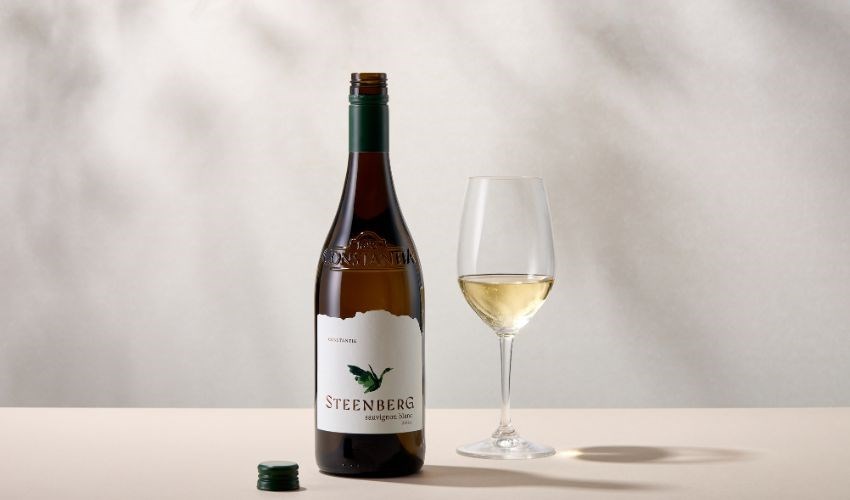
At the heart of warm-weather gatherings are wines that capture the season; wines with bright acidity, refreshing aromatics, and enough versatility to suit a range of foods and occasions.
Whites and sparkling wines, in particular, offer the freshness and refinement that suit relaxed outdoor dining.
In South Africa, Sauvignon Blanc remains a top choice for consumers. Domestic sales reached around 14.9 million litres in 2024, making it one of the leading single varietals locally. Sparkling wines are also growing in popularity, with domestic sales approximately 17.1 million litres in 2024, reflecting the rising appeal of bubbly for social and celebratory occasions (SA Wine Industry Statistics). Together, these wines are perfect for summer tables.
It's a popularity rooted not only in numbers, but in how effortlessly these wines suit the season. Among them, Sauvignon Blanc stands out as a natural summer choice. "Its freshness makes it the perfect partner for warm-weather dishes like fresh fish and vibrant summer salads," says Carryn Wiltshire, marketing manager at Steenberg Vineyards. "Notes of citrus blossom and gooseberry, together with its distinctive minerality, truly capture the essence of summer."
That freshness is not just stylistic; it plays a functional role at the table. Sauvignon Blanc's hallmark acidity refreshes the palate and sharpens food pairings, particularly alongside lighter dishes. Sommeliers often point to acidity as essential when balancing richer or fattier foods, where high-acid wines provide a palate-cleansing counterpoint that keeps flavours in harmony.
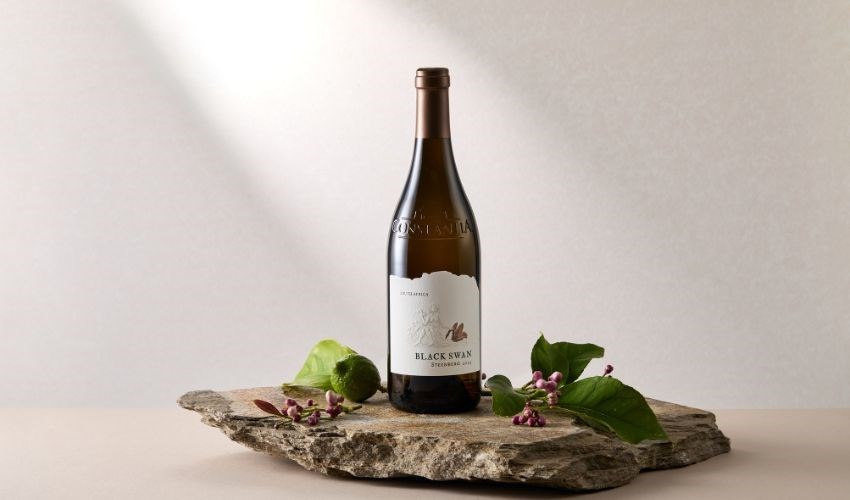
Steenberg's Sauvignon Blanc Collection showcases the estate's signature balance. At the 2025 London Wine Competition, the Black Swan Sauvignon Blanc 2023 earned Silver for its mineral complexity, the Sauvignon Blanc 2024, also Silver, for its vibrant purity, and the 1682 Chardonnay Cap Classique (NV), again Silver, for its lively, citrus-forward finesse. Together, these accolades reflect what many hosts seek in summer wines: expressive yet light, structured yet refreshing, and perfect with food or on their own.
While Sauvignon Blanc anchors many summer menus, sparkling wine plays an equally important role. Ideal for arrivals, toasts, or lighter dishes, its effervescence immediately brightens the mood. Dry styles with fine mousse work best, complementing food without overpowering it from smoked salmon blinis to fresh fruit desserts. Pink-hued sparkling wines add visual appeal and pair particularly well with summer fruits and delicate canapés.
With the wines selected, attention turns to pairing. Matching wine to food in summer is about contrast and harmony, notes Wiltshire. Pairing Sauvignon Blanc with grilled prawns, oysters, ceviche, or citrus-dressed salads highlights how acidity cuts through richness while amplifying freshness. Vegetables such as asparagus or fresh herbs echo the wine's aromatic profile, while more adventurous combinations such as grilled pineapple with a hint of chilli or goat's cheese–stuffed figs introduce sweet, smoky, and creamy notes that work beautifully with a crisp white.
Sparkling wines excel with lighter bites and desserts. Soft cheeses, charcuterie, pavlova, and stone fruit desserts benefit from the wine's acidity and bubbles, which balance sweetness and richness and keep the palate fresh.
Service is just as important as selection. Temperature directly affects aroma and flavour, with whites and sparkling wines showing best when properly chilled. Aromatic whites such as Sauvignon Blanc are ideally served at around 8 °C, preserving acidity and fruit while allowing aromatics to emerge. Cap Classique performs best slightly cooler, at 6–8 °C (achievable with two to three hours in the fridge or around 30 minutes in an ice bucket).
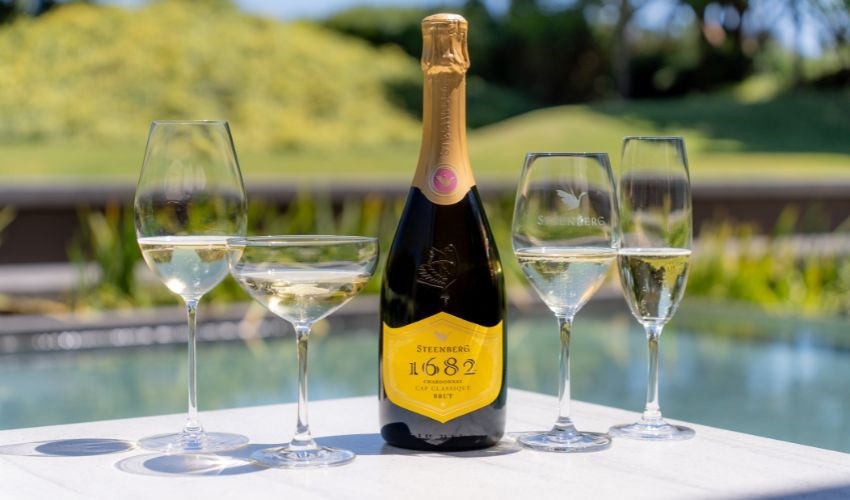
Glassware also shapes the experience. While flutes remain common for sparkling wine, experts including Riedel note that their narrow shape can limit aromatic expression. Wider tulip-shaped or white wine glasses allow the bouquet to develop while maintaining effervescence, enriching the sensory experience.
Small details make a difference. Sparkling wines should be opened gently and at an angle to prevent spillage, and whites should not be served too cold, as excessive chilling can mute flavour. For Sauvignon Blanc, a tulip-shaped white wine glass helps concentrate aromatics and balance acidity, highlighting both fruit and mineral notes.
When selecting summer wines, vineyard origin, winemaking style, and awards offer useful guidance. Cool-climate regions tend to produce Sauvignon Blancs with finesse and natural acidity, while barrel-fermented whites bring texture suited to heartier dishes. Single-vineyard wines often show greater nuance, and consistently recognised wines, such as the Steenberg collection, provide a reliable reference point.
Finally, consider the rhythm of the occasion. A well-paced lineup keeps hosting effortless: begin with a chilled sparkling wine for arrivals, follow with a crisp Sauvignon Blanc for seafood or salads, and move to a more textured white for mains. "A wine with a bit more weight can complement summer grilled flavours without losing freshness," recommends Wiltshire.
Summer wine doesn't need to be complicated. The best choices are those that respect the season: wines with freshness, balance, and enough character to complement food without overwhelming it. When thoughtfully selected and correctly served, Sauvignon Blanc and quality sparkling wines do more than quench thirst; they shape the rhythm of a gathering, from the first pour to the final course. In summer, good hosting isn't about excess or formality; it's about restraint, timing, and letting well-made wines do what they do best.