This implying that the wine one has just purchased, or is considering to purchase, is best not consumed currently, but should rather be squirrelled off to some cool, dank place for five or ten years before it is opened.
This suggestion is, in these modern times, about as relevant to a customer as encouraging them to pay for a purchase with a handwritten paper cheque or to use the public payphone down the road to call a taxi.
Now, obviously a fine Bordeaux red blend, fine Chardonnay or Pinot Noir will gain a spectrum of intriguingly different flavours when aged for a few years, as well as doing a chameleon in the altering of palate weight and texture. This is what convention has taught wine lovers to believe, and it is true. Just, the customer of today has a different view.
What today’s consumer wants – demands – is immediate gratification. Access to the products he or she has purchased. Now. Sure, if a bottle or case of Burgundy or Stellenbosch Cabernet will differ in a differing sense over 10 or 15 years, keeping a few bottles back will be considered by the buyer. But what the customer purchases today should be instantly accessible and of the best quality the producer hopes to express.
Expecting someone to fork out R5 500 on a case of six bottles of wine and then telling them the wine is “too young” and will be at its best in 10 years’ time is a ludicrous transaction. Which other product or service plays to these rules? If the wine is “too young” in the mind of the seller, well then don’t sell it. You do the waiting – why should the buyer?
Fortunately, many of South Africa’s top red wine wineries have, over the past two or three decades, worked on creating marques that can be opened in the year of purchase without having your tooth enamel removed by the severity of tannin and acid. One of the joys each year, thus, is getting my hands on a just-released bottle of Kanonkop Paul Sauer or Meerlust Rubicon with the assurance that, while some of the pickings will be matured, the wine is, too, totally excellent, approachable and delicious in the beauty of its youth.
The latest release of Meerlust Estate’s icon Rubicon blend, this from the 2023 vintage, is a brilliant example.
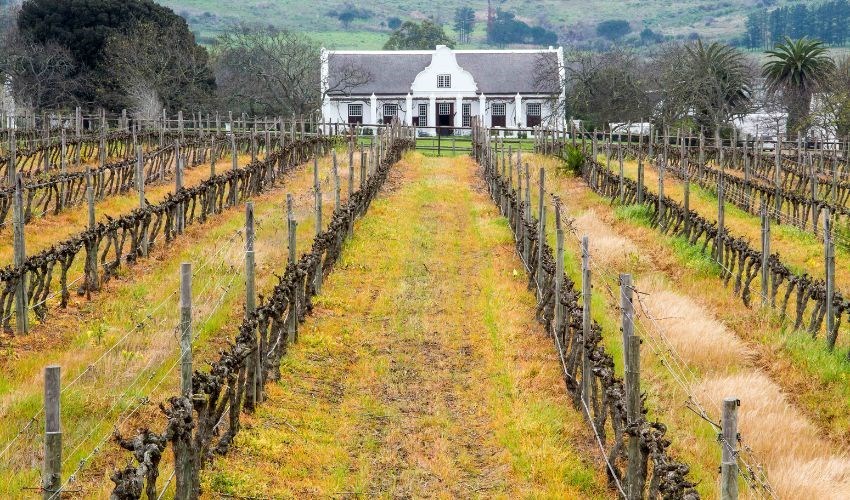
Of course, the mild, temperate growing and ripening season helped, especially on the legendary Stellenbosch property that lies a mere five kilometres from False Bay’s Atlantic Ocean. The blend, first created in 1980, has been vastly tweaked over the years, and under the guidance of Meerlust’s current head winemaker, Wim Truter, the 2023 Rubicon comprises 46% Cabernet Sauvignon, a good whack of 36% Merlot, with Cabernet Franc contributing 11% alongside a rather discernible 7% whack of Petit Verdot.
The blend is made from vines growing on four distinct terroir units on the farm, these geographical entities ranging from a steep, elevated slope of decomposed granite to lower-lying sandy, alluvial soils next to the Eerste River. The wine does not purport to be of single-site origin made in a go-for-broke manner. It is an astute symphony where a variety of cultivars growing on distinctively different parcels of terroir are brought together. By history, knowledge, understanding, love and skill.
Before the selection of components for the Rubicon is made, each parcel for consideration undergoes malolactic fermentation in barrel. Eight months later, Truter and his team scrutinise the heady barrage of potential varietal components. The blend is composed, put together and goes back to barrel for 10 months.
In approaching the Meerlust Rubicon 2023, I decided to forgo decanting, wanting to capture the complete vitality of the red wine in its fresh, crisply written chapter of youth. It was simply terrific. So much so that I failed in my critical duties by not allowing for the assessing of how the opened bottle progressed over 24 hours, as I polished the thing off in one sustained sitting.
Despite being slightly tight and virginal on the nose, aromas of mulberry, pencil shavings and warm tar were evident, classically so. The wine lay brooding and black in the glass.
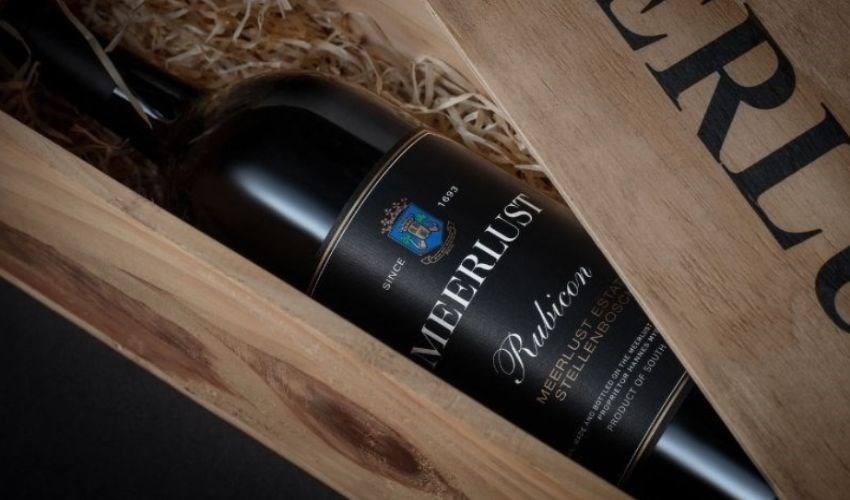
The attack on the palate was one of sensuality and seduction, the flavour and plushness initially overriding the thundering, dramatic power that was ascending in the background. Flavours were amicable and loving, hopping from autumnal purple Devon plums dripping with juicy decadence to brittle, just-picked cherries exuding a palate-alerting freshness. And even at such a young age, a sliver of cured Havana tobacco leaf could be detected, along with Geisha coffee bean.
It was beguiling, it was delicious, and I was having fun drinking this wine. Halfway through, I was tempted to drop Wim Truter a line to enthuse on the way taste, aroma and flavours were so spectacularly evident within the classic, elegant and polished structure of this Rubicon 2023. Alas, I had prepared my palate with two dry Martinis, and with a couple of generous glasses of great red wine lying atop the cocktails, my style and tone of communication could very well have been deemed silly.
What was intriguing is that by the time I reached the last glass-and-a-half of this Rubicon, the wine had changed. The initial perfumed, thigh-tingling plushness had slightly given way to sharper, saline depth, as if the Cabernet Franc component had woken up and decided to give the wine a shudder of vigilance and thrill.
Meerlust Rubicon 2023 is another masterpiece – now, and for whenever. As you like it, and deserve to.